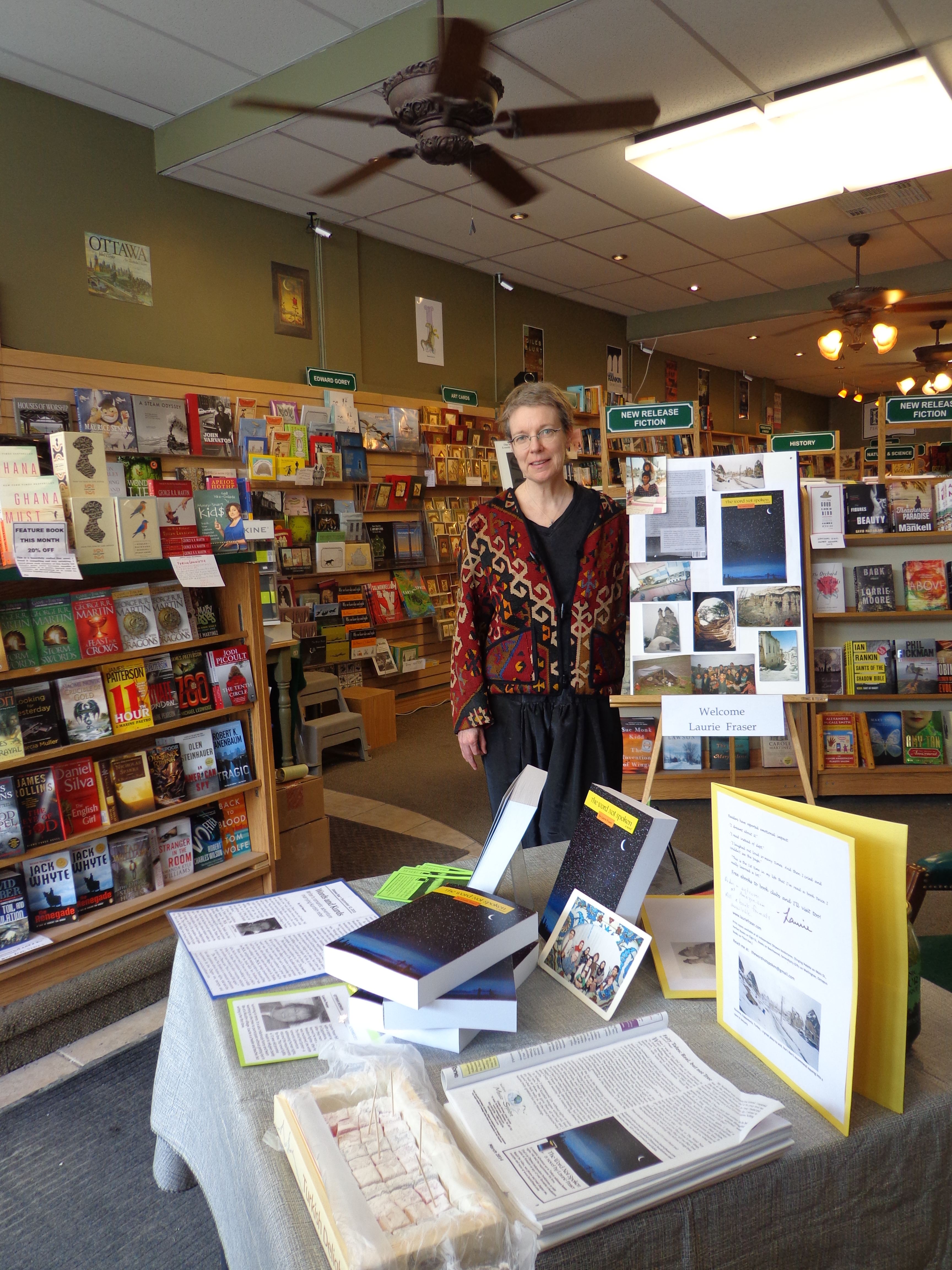
Remembering Halabja

2013-03-31 15.14.32

Today is the day Halabja was lost, 14 years ago. In Iraq, 5,000 Kurds were killed in one chemical gas attack.

The new Halabja monument in the Hague is fashioned after the infamous photos of people dying in their tracks, shielding their children with their bodies. Bas News reports that it is fitting that the monument be in the Netherlands “since a Dutch businessman Frans van Anraat was sentenced to 17 years in prison for selling raw material for the production of chemical weapons to Iraq during the Iran-Iraq war in the 80s.”

See the monument here.

This is the account I was told (from The Word Not Spoken):

He leaned back against the wall and pulled her closer to put his arm around her. He showed her pictures of his army service. Ahmet looked unfamiliar in the pictures with his buzzed hair, green fatigues and black boots laced up his shins. His ears stuck out. The soldiers held their MG3s and MG11s casually. Their faces were smiling, their arms around each other. The background was brown rock with an occasional pale green bush.

Ahmet explained that every male Turkish citizen performed eighteen months of military service by the time he was twenty years old. Ahmet, however, had served twenty-one months. He had been in the army during the Gulf War. He had fought with the Turkish Army on the border of Iraq. Their enemy had been the P.K.K.

He said that the P.K.K. (Kurdish Workers’ Party) was a powerful group of Kurdish freedom fighters. They were fighting the Turkish Army in the east and in the government.

“How could you fight for the Turks against your own people?”

“It is difficult situation.”

One picture showed Ahmet jumping from one huge rock to another, a large gun hanging from one shoulder loosely swung through the air with him.

“One time, the American Army gave us the location of a P.K.K. camp. We surrounded the camp in northern Iraq. It was big; about five hundred guerrillas lived there. We shoot a few hours. Then an American helicopter came and rescued some men from the buildings in the middle of the camp.”

“The United States told you the Kurds were there and then rescued them from you?”

“A few. With a ladder. Like a rope.”

“Why would the U.S. help both sides and have them fight each other?”

“Of course, to make both sides weak. And busy.”

He flicked through the pictures. “This one,” he said, pointing to a picture of five men laughing at the camera. “The next day they died. All four. Yes, I am the only one who is still alive.”

“Really, the next day?”

“Hah, in one battle. All on same day.” He gazed at the picture and was silent for a moment. Settled now with her head on his chest, Leigh looked upwards to see pursed lips.

“What did you do?”

“I cried.”

Ahmet sighed. He flipped to the next picture.

“These are the refugees from Iraq. Do you remember 1991, they walked over the mountains to get away from Saddam Hussein?”

Leigh nodded. The picture showed hundreds of people and tents crouched on a mountain slope.

“He started many years ago. In only the 1980s, five thousand Kurdish villages were destroyed by him. One of them was Halabja. We can never forgiven that. Halabja was the most beautiful place in all of Kurdistan. Many people say it was the sweetest place on earth. It was a green diamond.”

“An emerald.”

“It was Kurdistan’s heart. One day Saddam made it rain gas. Thousands of people were burned and poisoned. Some run to Iran.

“And 1991, same crime, but many, many towns near to Turkey. They were fighting for freedom from Hussein. They run to Turkey.” Ahmet shook his head. “They are treated like animals here.”

He tossed the pile of photos aside and rummaged for more in one of the plastic bags on the floor.

2013-09-29 17.46.02


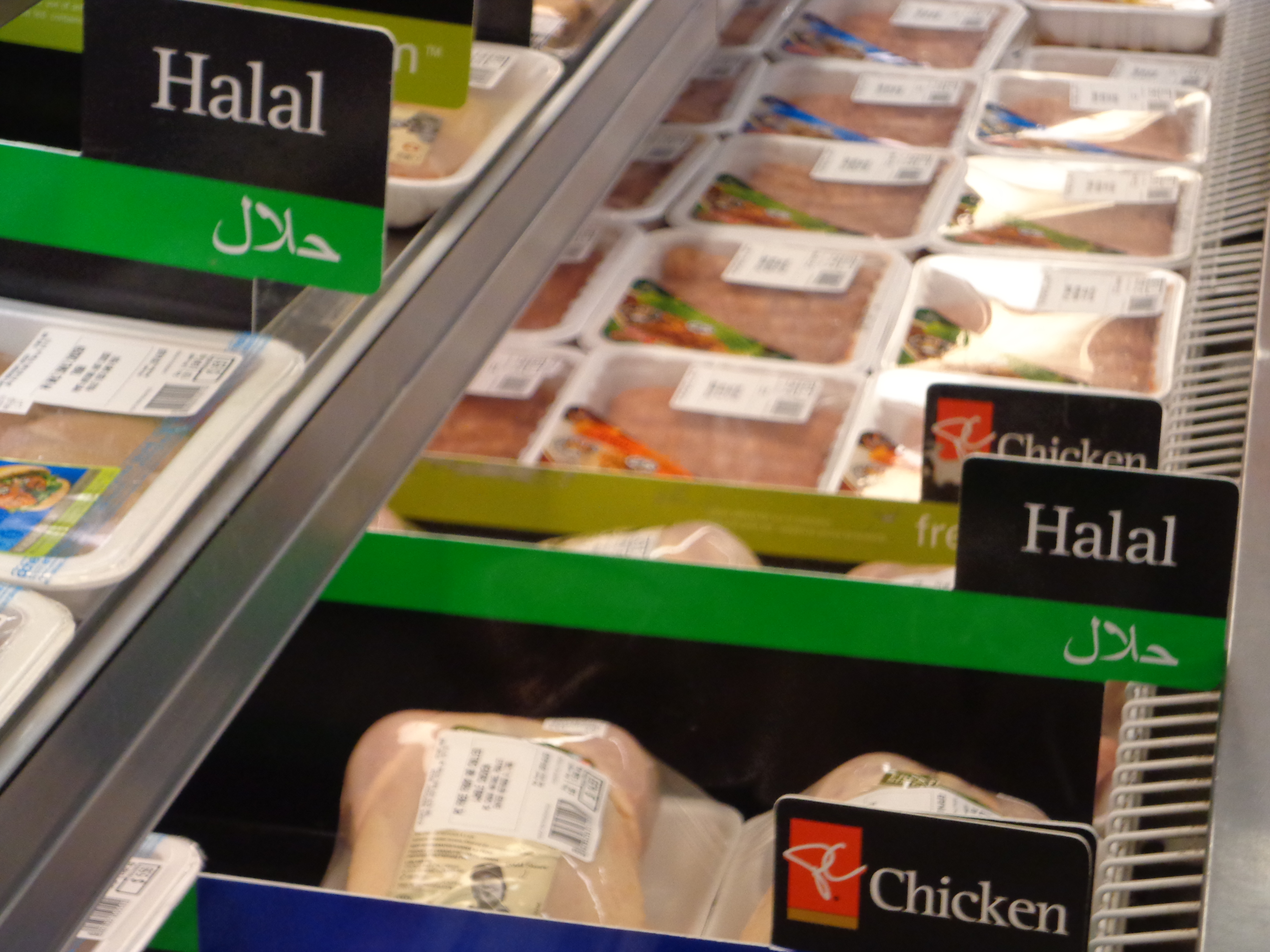
“Halal Pork”

In Ottawa, a butcher opened a shop in a neighbourhood with a dense population, mostly immigrants. A small mosque was just down the street. He got regular requests for “halal” meat but when he shook his head, the people left without buying.

One day, a Muslim woman noticed a sign in his window for halal beef. She found the price to be reasonable and the beef delicious. Word spread and new customers arrived. Soon the butcher advertised “Halal Chicken” and “Halal Lamb”. For weeks, business boomed. Then one day he put up a sign that ended his good fortune: “Halal Pork”.
Do you know why?

halal

halal

___________________________
Halal foods are meat & products containing meat (includes some cheeses, marshmallows, gelatin, pharmaceuticals…) that have been blessed, that is, prayed over while the animal was killed in a humane way. The animal would not have eaten animal by-products.

Halal does not apply to fish. (Which is how the butcher might have advertised his confusion next: “Halal Fish”.) Muslims don’t eat pork. It is haram meaning “not permitted”.The fraudster had revealed that he didn’t get his meat from a halal butcher (who must use a sharp instrument at the throat of the animal, say the name of God, hang the carcass to bleed dry…and who would never touch a pig).

Some Muslims want their health-care products, creams, shoes, clothing (eg leather) to be halal as well. I know Muslims who don’t pay any attention to halal (they eat fast food burgers) and I know those who are extreme (they reject all food made by non-Muslims). In a Muslim country, all products are halal of course. Awareness becomes necessary when a Muslim moves to a non-Muslim country. This new vigilance usually just involves package-reading but can be as acute as a fear of contamination.

I know a devout man who follows many Islamic practices, yet he starts all his cooking by saying “Bismillah” meaning “Starting in the name of God”. He says that means he can use whatever meat is available- halal or not. That’s a twist many Muslims don’t agree with.

I brought a Kashmiri friend to a Christian’s home for Christmas dinner. He had decided he wouldn’t eat the turkey- he always eats halal, prays 5 times/day. It was some time before he said, “What is this brown juice? It is very good.” By then, he had already slurped back lots of gravy. I thought he’d be upset to learn the truth but he took it in stride.”If I don’t know it is haram, it isn’t a wrong thing or a bad thing. How can it be?” But he never drank gravy again.

At a school potluck (adult ESL), Middle-Eastern students grouped their halal offerings together on one table. When I directed some Muslim Africans to put their halal food there as well, a few Middle-Easterners objected. As people moved in and out of the room, dropping off food and going to morning activities elsewhere, this group repeatedly separated the African halal food from the Arabic halal food. No matter what I, the Cdn. teacher, argued, they just didn’t want the “black” food next to theirs, halal or not, they told me- it was probably dirty. I accused them of soiling the beauty of the halal concept: a ritual that clears/blesses food and gives a group a feeling of security…and in a foreign land, a feeling of community.

More Ahmet and Leigh (Turkish bribes)

This passage was edited out of The Word Not Spoken because of length. It was originally part of Chapter 30, the summer that life became “normal”.

One hot morning, Ahmet caught up to Leigh as she strolled down the main street of Goreme, with nothing more on her mind than a desire for chocolate.
Gel,” he said. “We go now to Eregli.” He took her elbow and turned so that they headed back to where she’d been coming from.
“Why?”
“I must see the prosecutor there.”
“Why?”
“To pay a fine.”
“Why?”
“I must pay today or I will go to jail tomorrow.”
“What! Why?”
“Why you need to know everything? Just you will come with me.” He nodded at her dark green Turkish dress. “It will help me if you are there.”
He was in Ali’s blue suit, she noticed then, and freshly shaved.
“How much is the fine?”
“Maybe $1000.”
“A thousand dollars! U.S.? You pay today or go to jail tomorrow?”
He nodded. “Six months.”
“But how long have you known about this? Why did you leave it to the last minute? Six months in jail or $1000, and I’m only hearing about it today? What did you do?”
He groaned. “My poor brain to marry a woman like this.”
They reached the carpet shop and stepped into the courtyard. The boss wasn’t within sight so Ahmet went on a search. Leigh chatted with the woman on display for the tourists. She was knotting a maroon and indigo carpet on an upright loom. Unasked, a young boy brought them tea. Leigh downed her shot quickly as Ahmet appeared at one of the arched entrances and motioned impatiently.
Gel! You know we must hurry.”
She scooted across the old stone floor and caught up to him in the office where the boss counted out $1000 in commissions. He nodded appreciatively toward Leigh and said something in Turkish. Based on whatever lie Ahmet had told him, he wished them a good journey, and they were off.
It was only two hours to Eregli, a medium-sized city that Leigh had never been to. It appeared much like Nevsehir- concrete houses and shops but not much in the way of parks or restaurants. Without hesitation, Ahmet drove straight to a government building complex, parked the car and headed to one of the ugly yellow buildings.
“You’ve been here before,” commented Leigh but he didn’t answer. In fact, he seemed preoccupied, and it occurred to her then that he was nervous.
“Are you sure that paying the fine will prevent going to jail?” she asked as they climbed some wide steps into the building.
“Yes, I already told you this.”
“What did you do? When did you go to court?”
He grabbed her hand and pulled as he turned left and walked purposefully down a shiny-floored hallway.
Bey?
Her stomach felt heavy. More turns, more shiny floors, and he knocked at a door. A small man answered and after some discussion they were left to sit in a waiting room. Leigh was completely cowed by then and had stopped asking questions. As the minutes passed, she stilled in her chair, but Ahmet shifted constantly in his.
An hour later, one of the adjoining doors was pulled open by an uncovered woman who barked at Ahmet to come in. Leigh followed.
The woman sat behind a desk that filled most of the room. Ahmet and Leigh sat in two chairs before it. Startled, Leigh realized that this was the woman they’d come to meet. She was uncovered but she was not a prostitute- she was a prosecutor.
Fascinated, Leigh studied her as she leafed through a square book similar to a ledger or agenda. She was an exceptionally ugly middle-aged woman wearing big square horn-rimmed glasses. Leigh guessed that she was aware of her unattractiveness and had decided not to care. She had found ways to compensate: boldness, toughness, power. Her clothes were western-style- a red sweater with an expensive brown jacket and matching pants- and her body tested the seams.
Ahmet introduced Leigh. The prosecutor looked at her with flat eyes and clearly found Leigh to be lacking. She then opened a file and reviewed it, occasionally muttering angrily at Ahmet. Then she closed the file and berated Ahmet for a long time. He sat with his eyes downward, politely submissive and didn’t argue a single point.
Leigh still didn’t know how he had broken the law, but it was clearly very serious. She felt guilty and chastised herself, just sitting across from him, but the woman spoke far too quickly for her to understand. Leigh did hear the anger and warning tones though and she understood that next time Ahmet wouldn’t be given the option of a fine.
The woman stopped and glared at both of them. She was making up her mind. After a moment of silence she spoke to Ahmet, slammed the file shut, motioned to the door and picked up her phone.
Leigh thought they were to leave, but Ahmet didn’t stand up. As the woman spoke into the phone he leaned towards Leigh and explained. Some paperwork had already been completed by the woman, and she wanted a personal payment of $300.00 on top of the thousand they had brought with them.
“But we have only $1000. Will we get more at the carpet shop?”
“No, even $1000 is not all ours. We must pay some back to the shop by our working this summer.”
“Where are we going to get $300?”
“I will try some friend.”
As the woman slammed down her phone, Ahmet asked to use it. He made a couple of calls and the prosecutor provided her personal bank account number. The bribe was to be put directly into her account. She then called her bank, asking them to inform her the minute the money was deposited.
Ahmet was not permitted to leave her office. They waited on the modern cushioned chairs and watched the prosecutor work. She opened files, read reports, snarled into the phone and haughtily ignored them. Ahmet didn’t speak or smoke; no tea came.
As the hours went by, Leigh’s angst increased unbearably. She hated sitting and waiting. Ahmet continually glanced at the clock. If the money didn’t arrive by 5:00, it would be too late- he would go directly to jail.
At 4:00 Ahmet asked the woman to check her bank. She ignored him. He looked at the floor. Leigh considered going home alone. She’d have to find a bus. She still couldn’t drive a shift, despite Ahmet’s best efforts.
At 4:20 the phone rang. The money was there. Ahmet smiled; Leigh sighed. The prosecutor stood, stretched and told them that they needed a box of candy for the ladies who would complete the extra paperwork at this late hour. Hungry and annoyed now, Leigh wondered why she couldn’t have been told that earlier.
All three of them went to Ahmet’s car and got in, the prosecutor in the back seat. A lighter left on the dashboard had exploded in the sun. This brought only a shrug from the others, but Leigh could think of little else. She’d never known a lighter to explode in sun before. Did Turkey make defective lighters or was it that hot? What if she’d been sitting there? It had been right in front of her face and now plastic shards were everywhere.
The woman loudly pointed the way. They stopped quickly for a box of sweets at a pastry shop and then drove back to the complex of government buildings, parked and hurried into one that looked like all the others.
While they were rushing through the halls, the prosecutor’s heel broke on one of her shoes. She yelped and picked up the errant heel. Leigh was several steps behind and she soundlessly snickered. The prosecutor limped awkwardly down the rest of the hallways. Leigh enjoyed it immensely.
It was 4:45 when they arrived at a long counter where two women were packing up for the day. They accepted the candy and sat back down. Ahmet handed over $1,000 and the real paperwork began. Thirty minutes later, Ahmet and Leigh stepped out of the building, free of their escort, exhausted and elated, in dire need of tea and sigaras.
Leigh gave him hell once they were back in the car, but it was half-hearted. This was life with Ahmet and she loved the last-minute dramatic rescues. Her main complaint was hunger.
They didn’t hang around Eregli to eat, but headed for a cafeteria they’d passed on the highway, only an hour ahead. Ahmet sped but she didn’t mind- the motion was a relief for both of them.
“Oh no!” she exclaimed, hearing a siren behind them. She turned and moaned. “Damn, damn. It’s the police. Pull over.” All she could think was that they were in for hours of paperwork and she was too hungry to bear it gracefully.
“Ahmet! Stop the car! Shit, I am too hungry for this.”
Ahmet stepped harder on the gas and their speed increased. “I will not stop.”
“Stop the car! Haven’t we been in enough trouble today? We can’t afford more tickets.”
He hooted and grinned. “The girls are very slow today!” Truly happy, he took the car as fast as it would go.
“Stop the car!” yelled Leigh, scared of the speed now.
“If we stop we will get a ticket,” he argued, watching the road ahead.
“If we don’t stop we’ll have bigger problems.”
“No, no. They will radio ahead and make a blockade. There is police station in the next town.”
“A road block! Are you out of your mind? Stop the car!”
“Why? Look behind. They are lost.” He laughed and slapped the steering wheel.
He slowed a little. They argued as he drove. Ten minutes down the highway, they came upon a police car turned sideways across the road
“You see?” he thrilled. “They do this all for us!”
He was forced to stop by a thin police officer waving both arms.
The policeman came to his window and Ahmet rolled it down to greet him cheerfully. He demanded Ahmet’s driver’s license and registration. Ahmet told Leigh to look for them and he opened the door.
“Where are they?” She opened the glove compartment.
He glanced at her as he got out of the car. “License is at home.”
“Home! Where is the registration?”
He grinned at her. “I don’t have but you look.”
He turned to the officer, and they walked to the back of the car.
Talking aloud to herself about the follies of marrying foreigners, Leigh made a show of emptying the glove compartment. With maps, handwritten notes, a few utensils, some tissues, a single glove and a wrench on her lap, she touched the blue glass eye hanging from the rear-view mirror for luck and waited.The men were talking animatedly for so long that she put everything back into the compartment and then collected the blue plastic lighter shards from her seat, the floor and the dashboard, muttering all the while.
Finally Ahmet bounced into the car, laughing hard.
“Are we going to the station?”
He waved to the officer. “No.”
“Did you get a ticket?”
“No, just greetings for my family.” He started the car.
V’Allah?
“He is from the village near to mine.”
She shook her head. “Can you just get me to the cafeteria without incident, please?”
“Yes, my Lady, benim Hanim, it is the time to celebrate now.”
And very shortly they did.

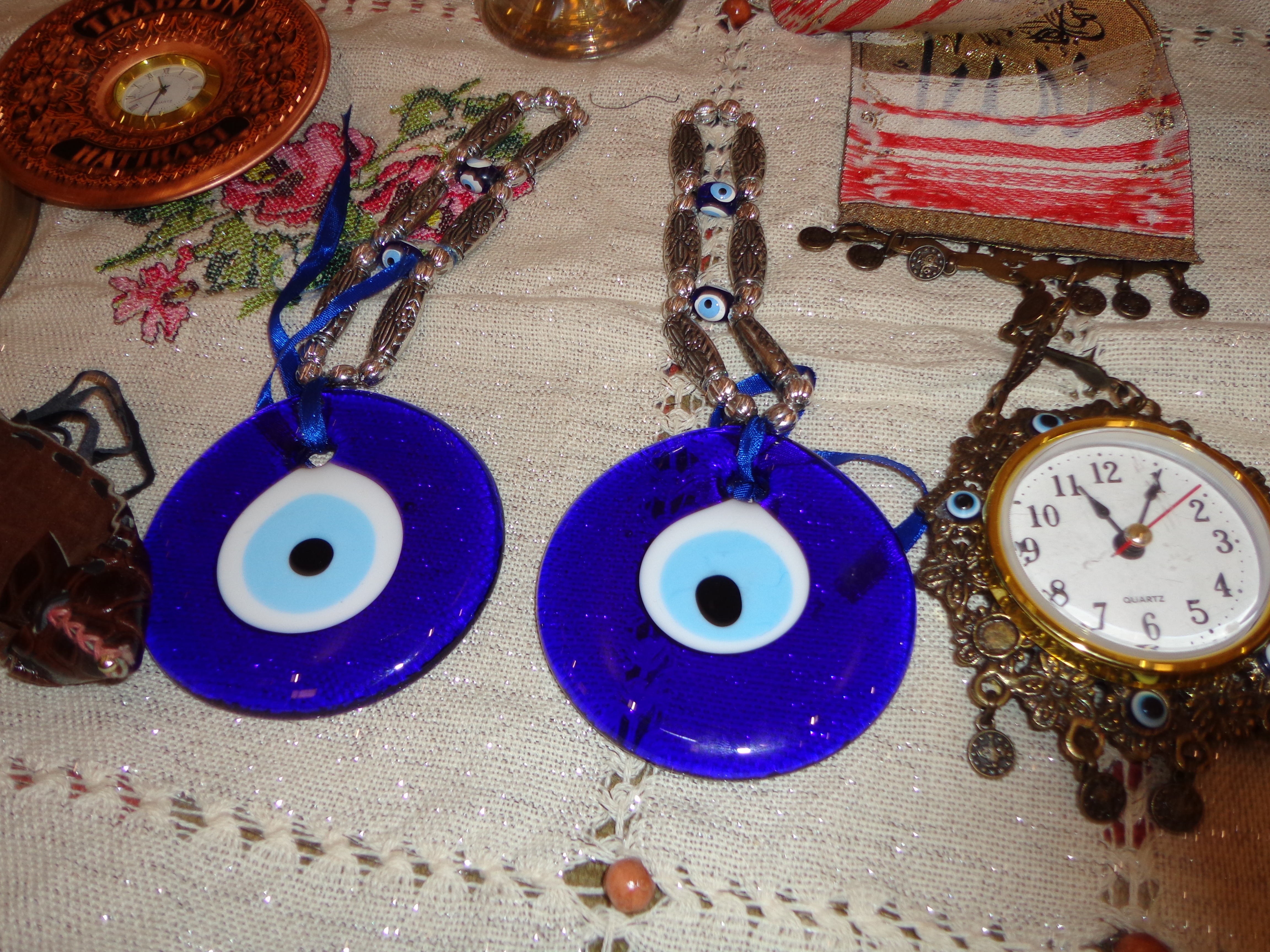
warding off the evil eye

warding off the evil eye

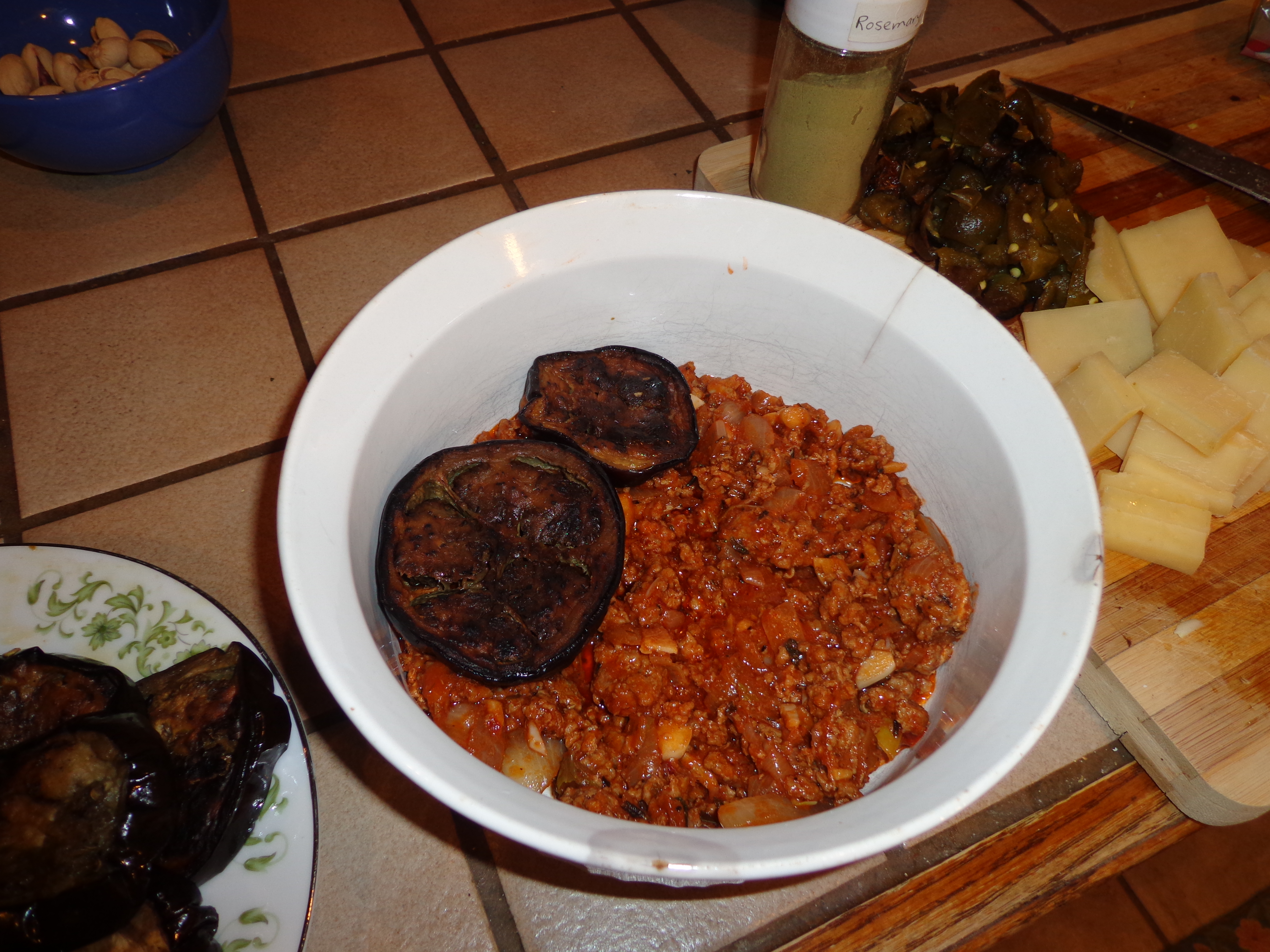
Village lamb moussaka- Turkish recipe

I write “Village” moussaka, but I mean “cheap & simple”, quite different from the online recipes I see.

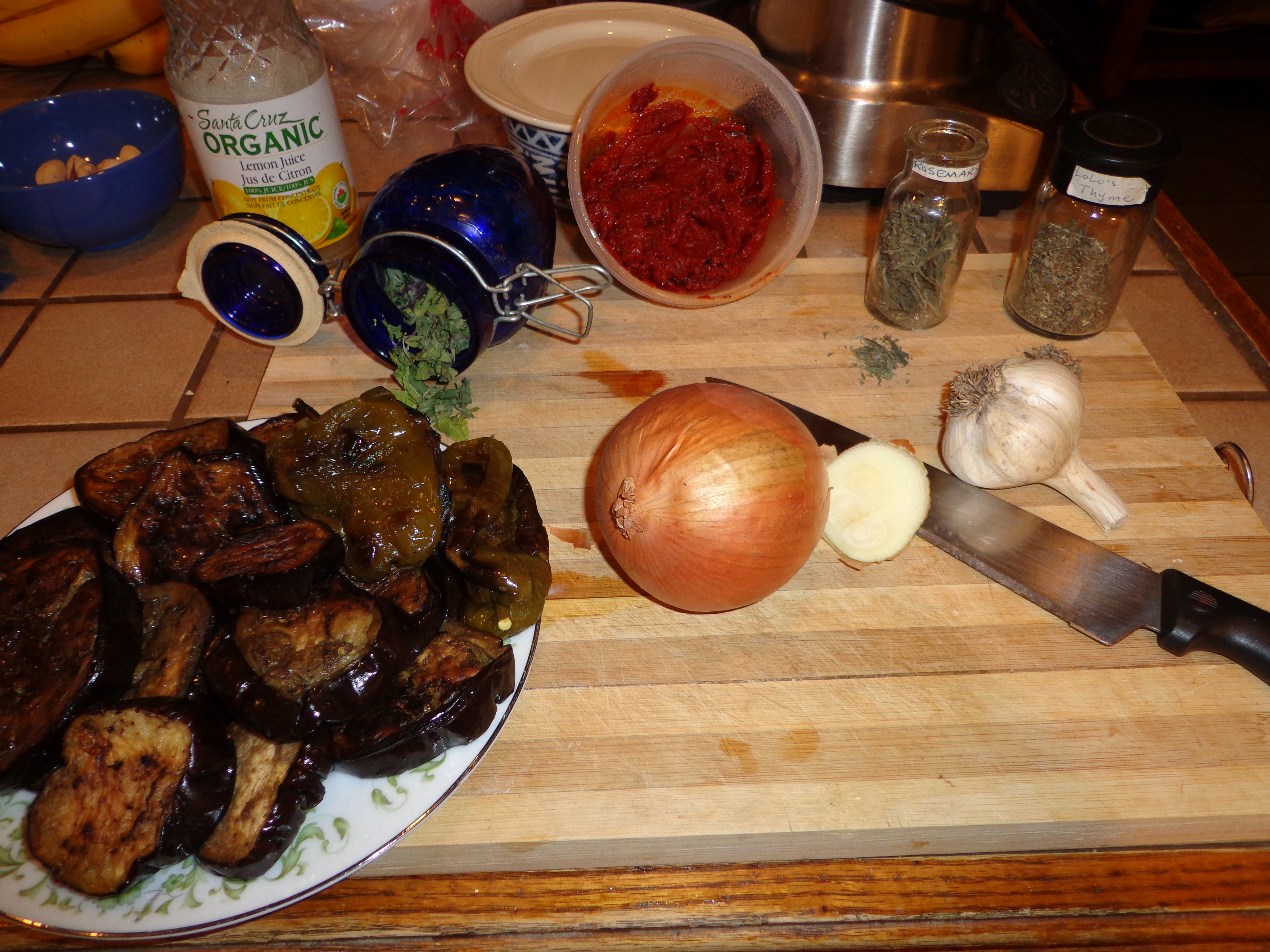
mint, salje, rosemary, thyme, fried eggplant, onion, garlic

mint, salje, rosemary, thyme, fried eggplant, onion, garlic


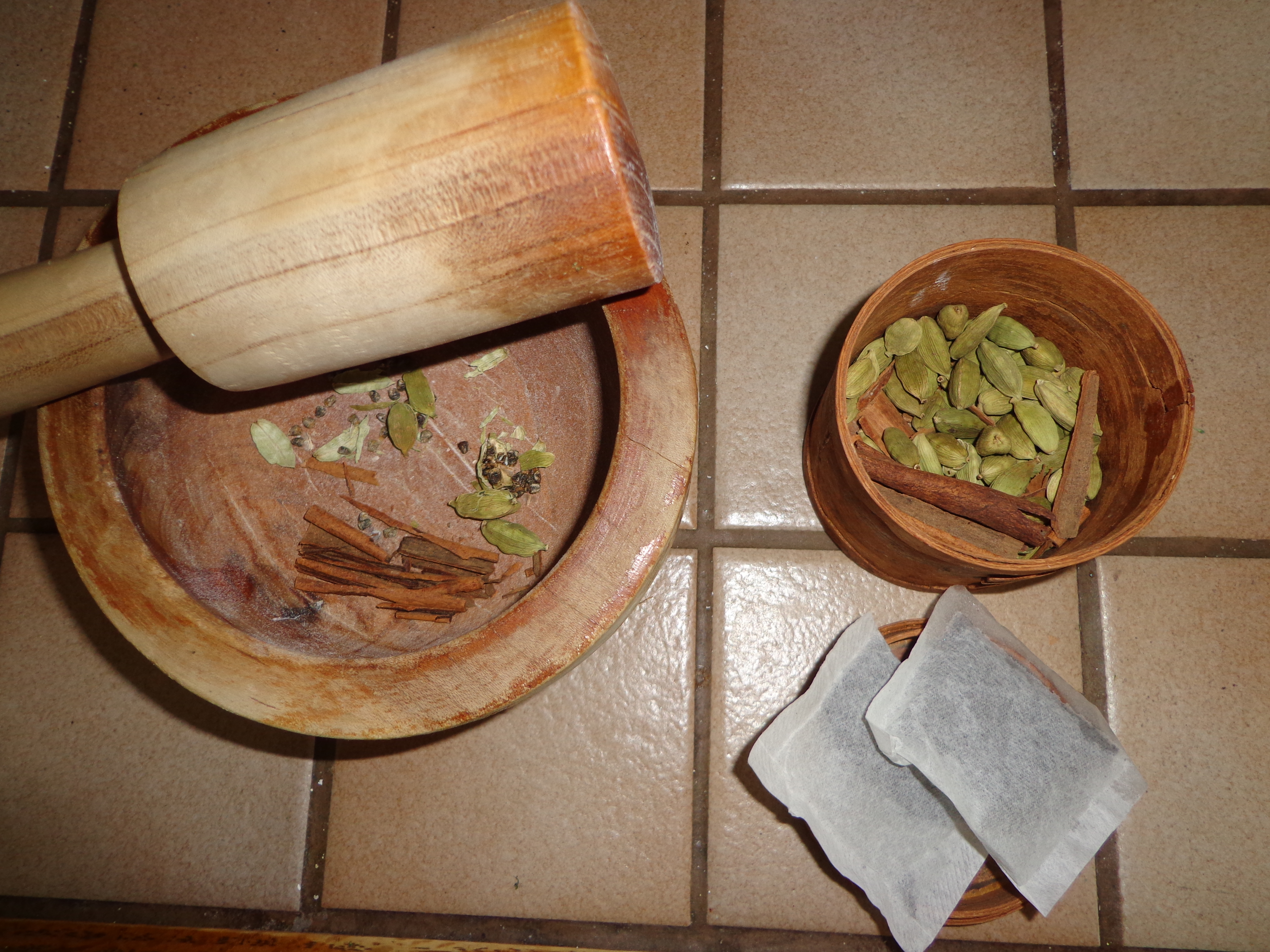
You need:

olive oil
2 eggplants
minced lamb
generous 1/2 cup of salje (see recipe)
1 onion
garlic- a whole bulb
rosemary in any form
thyme
optional- mint

Slice eggplants into discs, sprinkle with salt, dab with paper towel once they become wet, then fry both sides in generous amount of olive oil. Set aside.

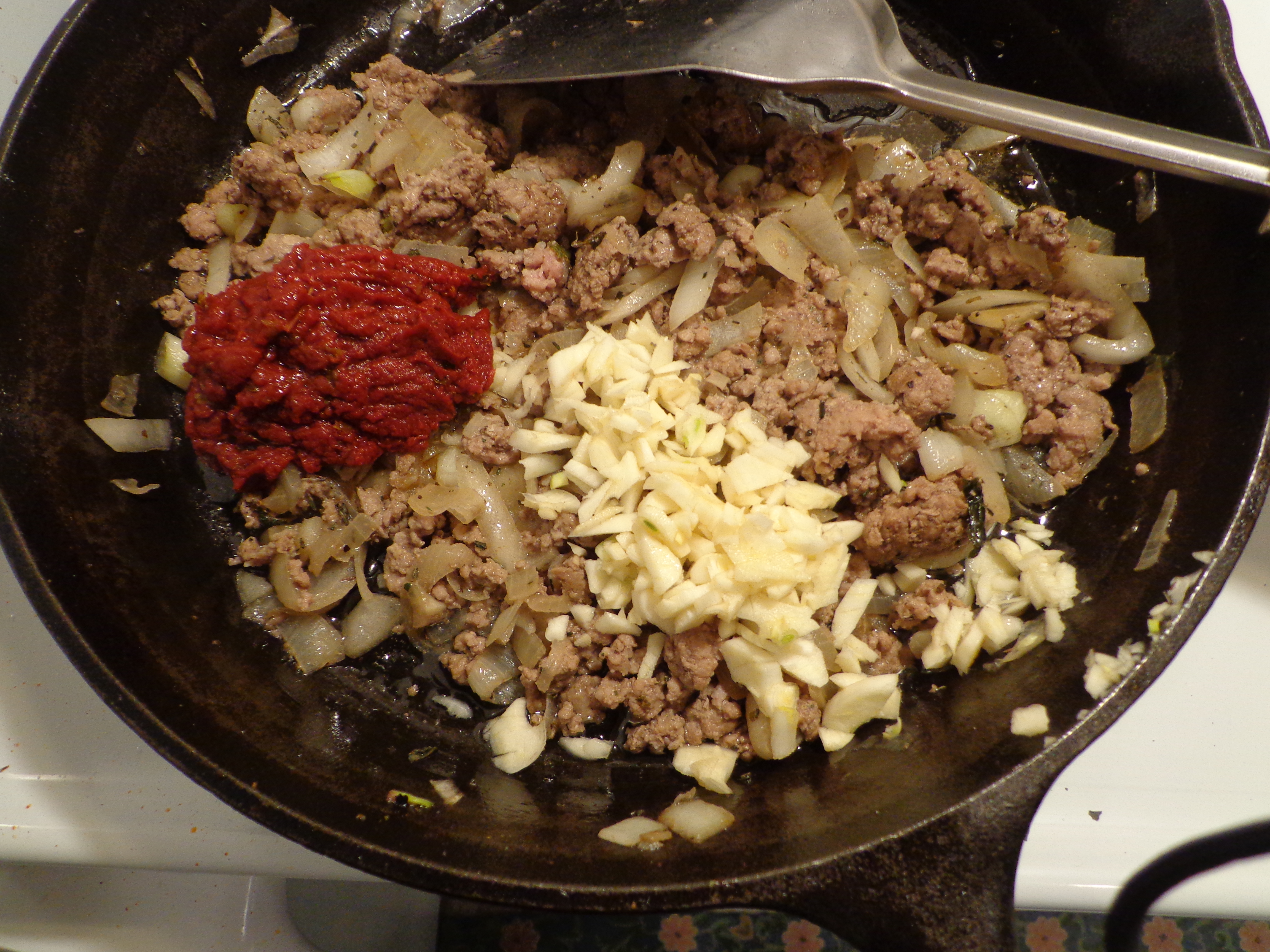
Fry onion & lamb together, then add sliced garlic and salje.

add garlic & salje to lamb & onion

add garlic & salje to lamb & onion


Turn down heat and add rosemary to taste (careful- it can be strong- if you’re using ground rosemary, start with 1/2 teaspoon and taste). Add 2 teaspoons thyme and if desired, a bit of mint. Simmer.

Taste & adjust seasoning. Remember the salje is full of salt and chili, but you may want to add these…

Using an oven dish, layer meat sauce alternating with eggplant slices. The first layer will be meat sauce, the top layer will be eggplant.

layer eggplant & lamb

layer eggplant & lamb

In Turkey we didn’t have an oven, so the eggplant was stirred into the meat sauce and they simmered together on the stovetop. Delicious and one less dish to clean.

Serve with rice or crusty baguette.

Anniversary song

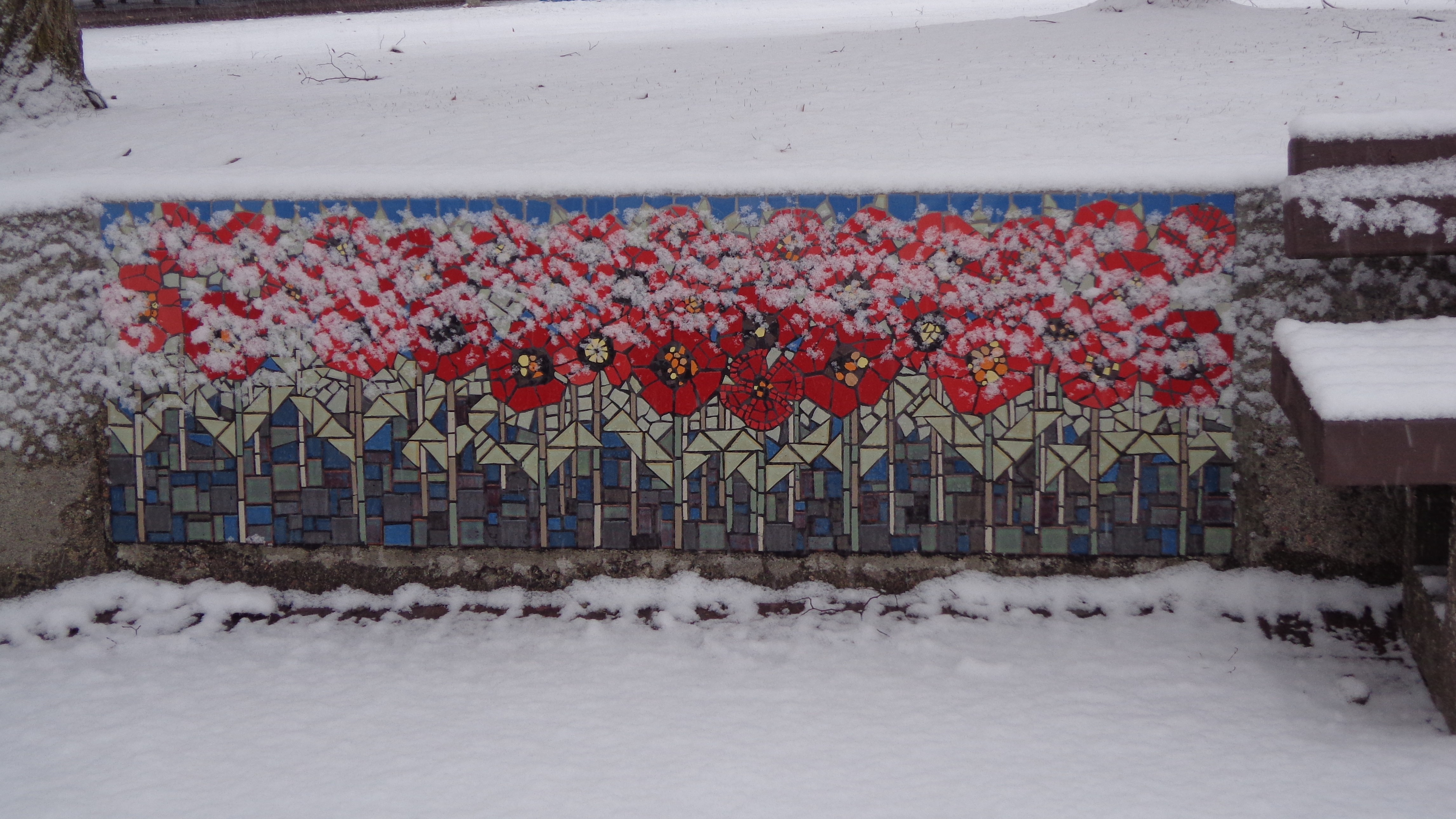
Winter poppies

Winter poppies

The best moments
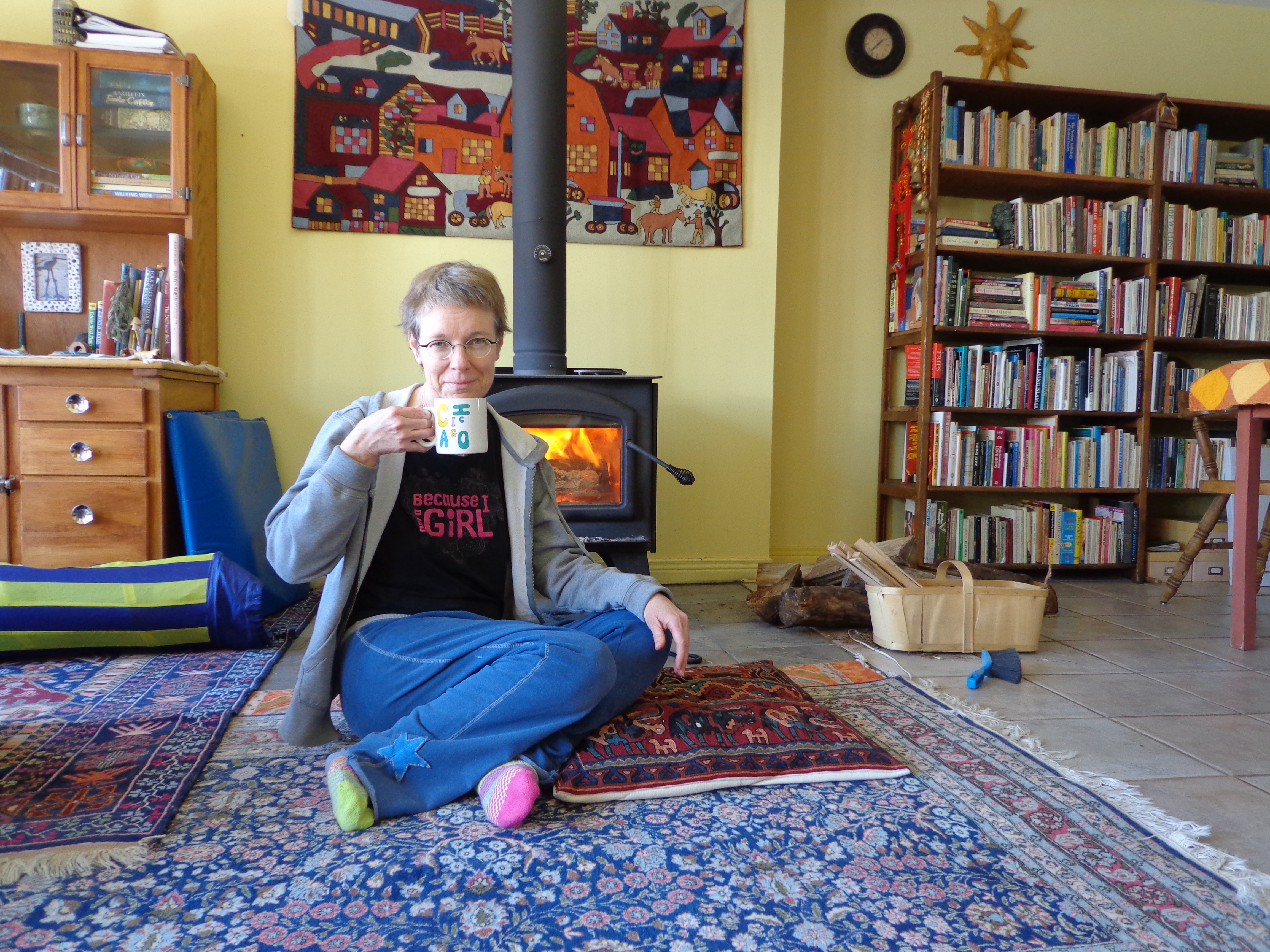
this long winter
have been indoors-
sunlight
armchair
woodstove.
It’s a lonely peace.

Music drops me
a decade ago-
cold sunny days,
adventure-fresh.

You were so alive.

Laughing big-
our coats open
unafraid
under a turquoise sky.

Even without the music
I would cry for you today.

Cappadocia turquoise sky

Cappadocia turquoise sky

BBC News report from 1991: Kurdish Exodus

In The Word Not Spoken Leigh recalls Ahmet’s account of the events of 1991.

To bring that account to life, click on the link below. The news report posted to Youtube is astonishing.

After Iraq was defeated in the Gulf War, Kurds (in the north) and Arabs (in the south) overthrew the Ba’ath regime in many towns- disabling government and local military. Their success lasted only a few weeks and the uprising was brutally and quickly ended by loyalist forces led by the Iraqi Republican Guard.

The U.N. High Commissioner for Refugees called the Kurdish Exodus the largest in its 40–year history. Two million people were displaced and in March 1991, an estimated 2,000 Kurds were dying every day.

Faleh Jaber writes: Despite the calls made during the war by Western leaders for Iraqis to rise up and dispose of Saddam Hussein, these dramatic and tragic events were the last thing any outside powers anticipated. (read more)

click here to watch a news report from 1991- astonishing footage.

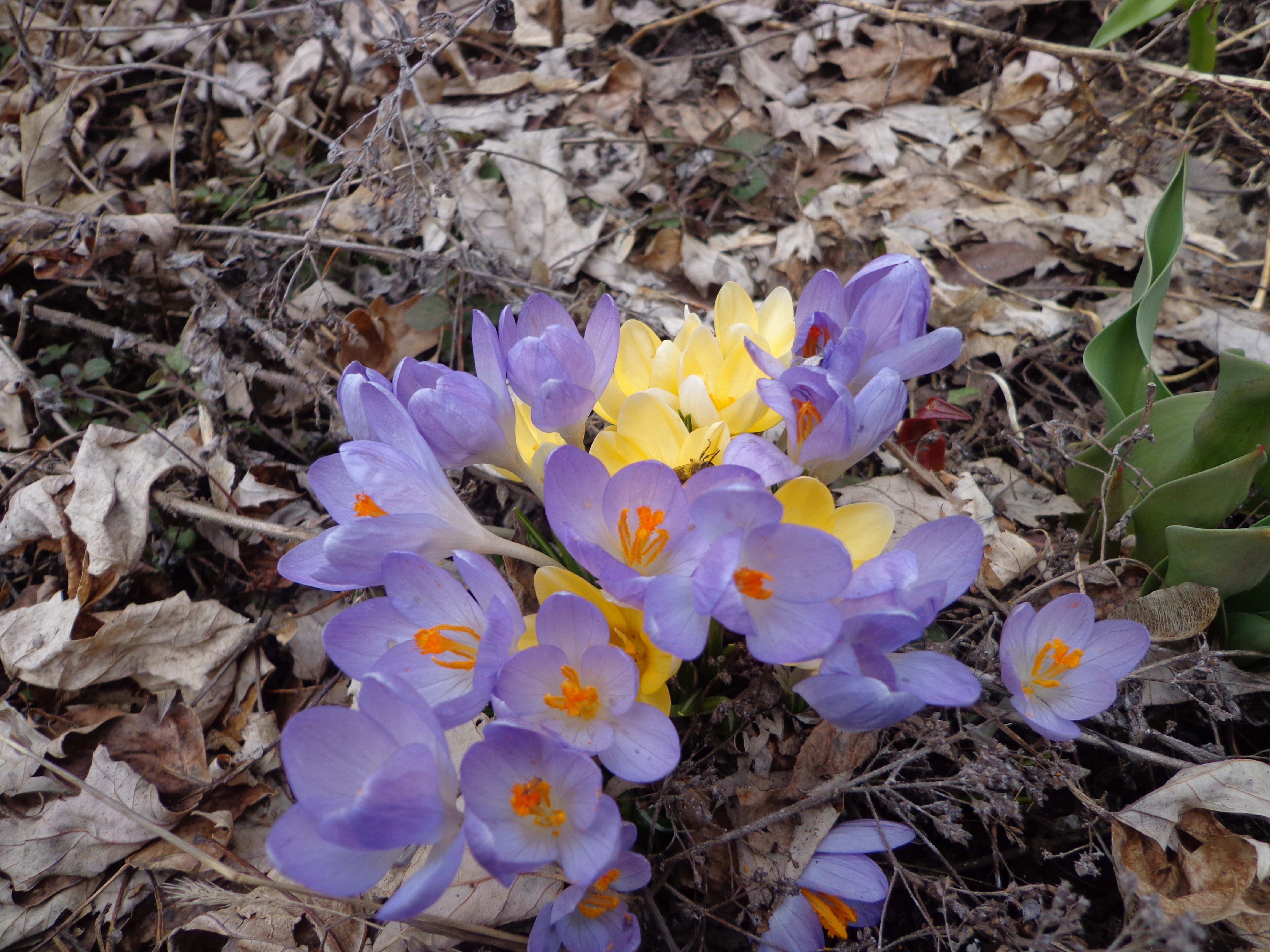
crocus- the most courageous of flowers

crocus- the most courageous of flowers

Solo in Ahmedabad, Gujarat, India

pedal rickshaw, Ahmedabad

pedal rickshaw, Ahmedabad


It was in Ahmedabad, after many months of travel through the giant country called India, that I gave up being a backpacker and became a tourist. I was worn out and wounded: my digestive system would never fully recover, I’d lost 20 lbs. & I was limping. My train had hit a cow, my motor rickshaw had hit a car, my bus had hit an ox, and finally, a pedal rickshaw had hit me.

I’d seen sites of grandeur- Agra’s Taj Mahal, Jaipur’s Palace of Winds; I’d seen sites of squalor- the Calcutta slums, piles of refuse lining roads like snow-banks, thin women making gravel by breaking rocks with picks under a murderous sun.

The physical extremes of India had caused emotional extremes in me: despair in unending heat, joy in monsoon rains, awe at the bowl of stars over me on a desert bed, terror navigating the long jungle path between the restaurant and the beach in the South.

There comes a time, when you are exploring a new place for a lengthy period, that withdrawal becomes absolutely necessary. In India, the only way for me to withdraw was to pay for “luxuries”. For an insane amount ($60/night- what I usually spent in a week), I moved into a hotel that was perfectly cool, into a room that was perfectly sealed (no monkeys coming in through the window here). There was a swimming pool on the roof! There was a bathtub in my room! (It was all about the water after the Thar Desert; if I wasn’t in the tub, I was in the pool.)

The food was edible. More than edible- it was delicious. The hotel knew tourists and the chili was greatly reduced. I’d been living on rice and bananas for some time. (I remember looking forward to “scrambled eggs” on the train. It was included with my berth. Served in little tin tiffins with no accompaniments, the eggs had been scrambled with chopped green chilies and my first bite, my only bite, burned my mouth and brought tears to my eyes.)

Ganesha headed for the river

Ganesha headed for the river


I stayed at the luxury hotel, with some guilt, for a couple of weeks. Outside beggars clawed me for money, rickshaws carried ceramic Ganeshas to the sea to be thrown in, noise and vehicles assaulted me, women with wide bare feet pulled carts down hot asphalt…and just when my hackles rose for them, I saw men with the same feet carrying huge bundles on their heads.

woman pulling cart on Ahmedabad street

woman pulling cart on Ahmedabad street


working on the streets of Ahmedabad

working on the streets of Ahmedabad


Man transporting goods in Gujarat, India

Man transporting goods in Gujarat, India

Look, India is worth the visit, it’s worth a long visit…the most amazing things I ever saw were in India- cows at bus stops, waterfalls in jungles, rafts in crocodile-infested waters, parrots in trees, camels in deserts, elephants in traffic jams.(read my poem)

I’m just saying: Do it when you’re healthy.

One day I was in some temple complex somewhere, sitting in a shadow, when I saw a white woman. I hadn’t seen a fellow traveller in days. Solo backpackers are always quick to share, friendships are cemented after one conversation- that’s true wherever I travelled, but in India it’s even stronger. We have a concern for each other there.

I got up and walked toward her. We came close to each other, appraising each other’s level of grime. “Are you okay?” I asked seriously.
“I’m coping.” She didn’t smile. She had purple bags under her eyes and a red tika on her forehead that had dripped over the bridge of her nose. “And you?”
“Ditto.” My smile was rueful.
She looked into my eyes and we connected in a very solid way. “It takes its toll,” she said.
I nodded.
It was unbearably hot standing there in the sun. She stepped into a nearby temple door without saying good-bye. I didn’t mind. It was too hot to talk. I headed back to the shade, my dizziness tempered by her gaze.

Love Answers 4

What have you done for love?
A reader answered by email (thewordnotspoken@gmail.com)

“I am a lesbian. After three years with a wonderful woman, she revealed to me that she’d always felt she was a male inside, a man in the wrong body. Obviously, a heterosexual man.
She went through the changes- therapy, hormones, name change, family and friends’ reactions, job changes and finally surgery. I went through it all with her, now him. I loved the person I loved. Whether female or male, it’s the same person.
And that’s what I did for love- I became heterosexual.
It was a mistake.
After many years, I realized I was the one living a lie.
My husband supported me as I once supported him- and we divorced. As I said at the start- I am a lesbian.”
-M.C.

Passages

Passages